Oil Spill Reaches Koh Hae, Threatening Phuket’s Coral Island Ecosystem
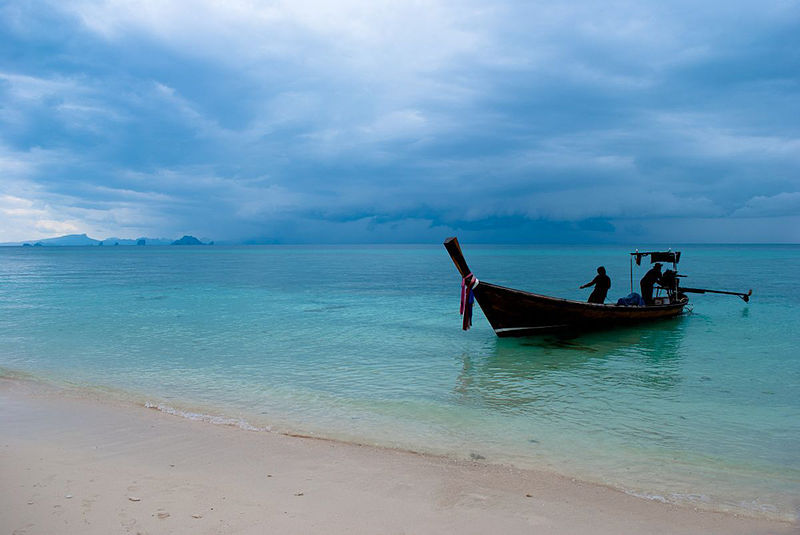
PHUKET — The oil spill from the capsized cargo ship Sealloyd Arc has reached the shores of Koh Hae, a popular tourist island off Phuket’s southeast coast known internationally as Coral Island, prompting urgent calls for emergency management and intensified clean-up operations on Thursday.
Oil Spill From Sunken Cargo Ship Unlikely to Reach Phuket Shoreline: Authorities
Phuket MP Chalermpong Saengdee raised the alarm after black stains were discovered in the seawater and along the beach at Koh Hae on Wednesday, marking a significant escalation in an environmental crisis that began earlier this month. The expanding spill now poses a direct threat to both the delicate marine ecosystem and the tourism industry that depends on the island’s pristine reputation, Mr. Chalermpong warned.
Areas at Risk
According to the MP, additional areas now at risk include Ao Rawai, Koh Kaeo Noi, Koh Kaeo Yai, Nai Harn, Rawai Beach, and Kata Beach. Several of these locations harbor valuable coral reefs and seagrass beds that serve as critical habitats for marine life and attract thousands of snorkelers and divers to Phuket’s waters each year.
The contamination threatens not only the immediate visual appeal of these famous shorelines but also the long-term health of underwater ecosystems that have taken decades to develop. Seagrass beds, in particular, serve as feeding grounds for endangered dugongs and provide nursery habitats for countless fish species essential to local fisheries.
Clean-up Operations Underway
The Maritime Enforcement Command Centre (Thai-MECC), which established a special incident management center following the sinking, has deployed teams to begin restoration work on Koh Hae. According to the agency, the affected area stretches approximately 900 meters along the beach, with the oil appearing in the form of tar balls and tar patties rather than a continuous slick. Stains were also discovered on a floating pontoon near the shore.
Thai-MECC stated that manual recovery methods would be employed to minimize additional environmental impact during the clean-up process. This approach, while more labor-intensive, reduces the risk of further dispersing oil particles into the water column or damaging sensitive shoreline habitats. The agency also emphasized that waste disposal from the operation would be strictly controlled to prevent secondary contamination.
Underwater Sealing Operations
A critical component of the response involves an underwater team assigned to seal the oil leak directly from the sunken vessel, which rests at a depth of 60 meters below the surface. Stopping the source of the spill remains essential to preventing further contamination of Phuket’s coastal waters.
PHUKET – The oil spill from the capsized cargo ship Sealloyd Arc earlier this month has reached Koh Hey, a tourist island just off the southeast coast of this tourist island, with authorities continuing clean‑up operations on Thursday.
Listen to or read full story in 1st… pic.twitter.com/w2jS9Ml5bI
— Bangkok Post (@BangkokPostNews) February 26, 2026
The Sealloyd Arc Incident
The Panama-flagged cargo ship Sealloyd Arc sank on February 7 and was later located south of Koh Kaeo Noi at coordinates latitude 7°43.88″ North and longitude 98°16.62″ East. The vessel was originally en route from Malaysia to Bangladesh when it encountered difficulties that led to its capsizing. All 16 crew members were successfully rescued by Thai authorities responding to the emergency.
The 4,339-ton vessel was carrying 297 containers at the time of its sinking, with 14 of these containers holding hazardous materials. This aspect of the incident has raised additional environmental concerns, as the potential release of toxic substances could compound the damage already caused by the oil spill.
Public Warning
Authorities have issued a public warning advising people not to approach any stray containers found floating near or washing ashore in the affected areas. The combination of hazardous materials and the unpredictable nature of drifting containers presents a safety risk that officials are keen to emphasize as clean-up operations continue.
Tourism Concerns
The timing of the spill reaching Koh Hae is particularly problematic for Phuket’s tourism sector, which relies heavily on the island’s reputation for crystal-clear waters and pristine beaches. Koh Hae, or Coral Island, is a premier snorkeling destination that draws day-trippers and package tourists seeking underwater experiences in Thailand’s famous Andaman Sea.
Local business operators who depend on tourism to Koh Hae and surrounding islands now face an uncertain period as authorities work to contain and clean up the spill. The visible presence of oil stains on a popular beach threatens to deter visitors who might otherwise choose Phuket for their holidays, potentially impacting the broader regional economy.
Sriracha oil spill under control
The Thai-MECC has stated that operations will continue until conditions are restored, though officials have not provided a timeline for when the clean-up might be completed or when affected beaches might be declared safe for public use again.
-Thailand News (TN)