
Thailand Considers Increasing Proposed Tourist Entry Fee
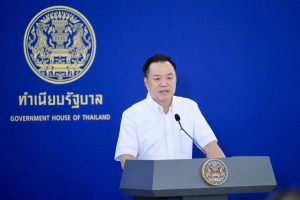
BANGKOK, Thailand — Thailand is considering raising its long-planned foreign tourist entry fee above the initially proposed 300 baht, citing inflation, increasing insurance costs, and the need to extend medical coverage at private hospitals, according to Tourism and Sports Minister Surasak Phancharoenworakul.
Thailand Ends 60-day Visa-free Scheme For 93 Countries
The tourism tax, first proposed in 2020 but never implemented, is intended to generate revenue primarily for tourist accident insurance, with remaining funds allocated to maintaining attractions and improving infrastructure. Minister Surasak indicated that the final fee amount will depend largely on projected costs for accident insurance and treatment at private hospitals, where unpaid medical bills from foreign visitors reportedly cost Thai healthcare facilities approximately 2.5 billion baht annually.
The minister’s comments come one day after the government announced it would end the 60-day visa exemption scheme for citizens of 93 countries, reverting to previous 30-day and 15-day visa arrangements. Both measures reflect broader efforts to enhance tourism sustainability, strengthen immigration oversight, and ensure that visitor-related costs are appropriately managed.
Authorities are currently finalizing details regarding the fee collection method to minimize impact on traveler sentiment. Two primary options are under consideration: collecting the fee through airline tickets or via the Thailand Digital Arrival Card (TDAC) system, which all foreign visitors are required to complete upon entry.
Airlines have indicated concerns about implementing a fee structure that applies only to foreign passengers, noting operational challenges in discriminating between nationalities during ticketing. As a potential solution, the government might collect the tax from all passengers and allow Thai nationals to obtain refunds through a dedicated application. Alternatively, levying the fee through the TDAC system would target foreign visitors directly while streamlining administrative processes.
The ministry plans to discuss appropriate insurance premium levels with the Thai General Insurance Association as the next phase of development. Key considerations include determining which types of incidents involving foreign tourists would be covered by the insurance fund and establishing clear parameters for medical treatment eligibility at private healthcare facilities.
Thailand is considering raising its proposed tourist “landing fee” to more than 300 baht as authorities work on a new collection system that would include premium insurance coverage for foreign visitors.
Tourism and Sports Minister Surasak Phancharoenworakul said the government… pic.twitter.com/4lC1p1Xulf
— Khaosod English (@KhaosodEnglish) May 21, 2026
Industry representatives have called for greater clarity regarding the scope of coverage and fund allocation. Thienprasit Chaiyapatranun, president of the Thai Hotels Association, emphasized the need for authorities to specify which incidents would qualify for insurance support and to define the proportion of revenue earmarked for infrastructure projects versus medical coverage. Questions remain regarding whether the policy would cover events such as natural disasters, transportation accidents, or incidents involving travelers not complying with local regulations, such as operating motorcycles without valid licenses.
Concurrently, authorities are working to establish a timeline for implementing changes to visa exemption policies. The Ministry of Foreign Affairs, serving as lead agency on the national visa policy committee, is coordinating communications with counterpart ministries in affected countries to ensure smooth transitions and maintain diplomatic relations.
The Ministry of Tourism and Sports has indicated it will request the visa committee to consider adjusted arrangements for selected source markets. For example, while India ranks among Thailand’s top-five source markets for international arrivals, Indian citizens currently qualify only for visas on arrival. The ministry has expressed support for introducing a 15-day visa exemption for this market to facilitate travel and support tourism growth.
Minister Surasak noted that reducing the visa exemption period from 60 days to 30 days for most affected countries should not significantly impact overall arrival numbers, given that statistics show the average length of stay for foreign tourists in Thailand is approximately nine days. The adjustment is intended to strengthen immigration oversight while maintaining Thailand’s appeal as a premier travel destination.
The Tourism Authority of Thailand has been asked to revise its goals and strategy for 2026 in light of potential disruptions from prolonged geopolitical tensions, including the US-Iran conflict, which could affect global travel patterns and result in foreign arrivals falling short of the 33 million target.
Thailand to Launch 300 Baht Tourist Entry Fee Under New Government
As details of the tourist entry fee and visa policy adjustments continue to develop, authorities have emphasized their commitment to transparent communication with international travel partners and to minimizing disruption for legitimate visitors. Further updates regarding implementation timelines, fee structures, and country-specific visa arrangements are expected as the Ministry of Tourism and Sports and relevant agencies provide additional information through official channels.
-Thailand News (TN)