
Thailand Imposes Mandatory 21-day Quarantine For All Arrivals From Congo And Uganda
BANGKOK, Thailand — Thailand’s Ministry of Public Health has implemented a mandatory 21-day quarantine requirement for all travelers arriving from the Democratic Republic of the Congo and Uganda, citing increased arrivals from the two Central African nations and concerns regarding compliance with previous monitoring protocols, according to official statements released on Tuesday.
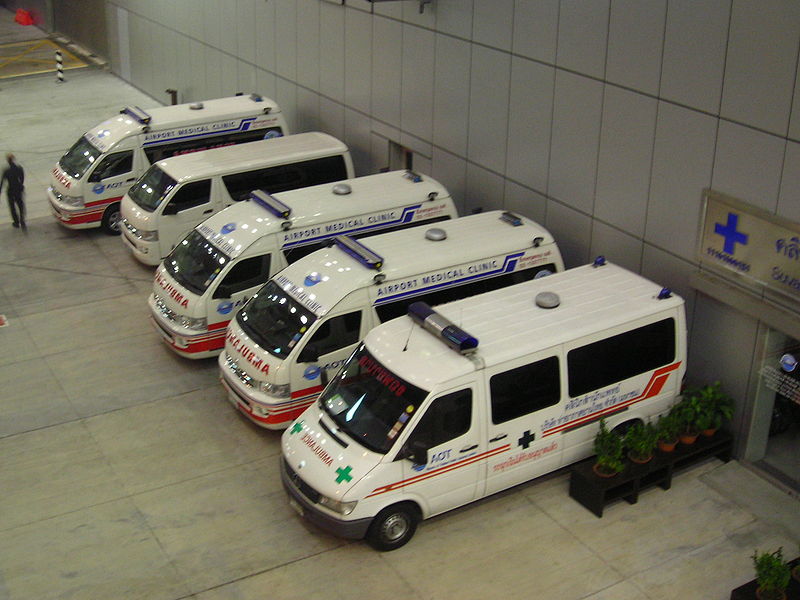
Suvarnabhumi Airport Steps Up Ebola Screening For Arrivals From Congo And Uganda
Dr. Somlerk Jeungsmarn, Permanent Secretary for Public Health, announced that the measure was introduced following observations that more individuals were arriving from the two countries, with some failing to report daily to health officials as previously required under voluntary monitoring arrangements. Under the new protocol, all passengers arriving from the Democratic Republic of the Congo or Uganda will be required to undergo quarantine at the Bamrasnaradura Infectious Diseases Institute in Nonthaburi province for a period of 21 days, corresponding to the maximum incubation period of the Ebola virus.
Authorities indicated that incoming flights from the two countries will be restricted to Suvarnabhumi Airport, Thailand’s primary international gateway, to facilitate centralized screening and quarantine management. The government will cover quarantine costs for travelers arriving within 72 hours of the announcement, while those arriving thereafter will be responsible for associated expenses. Individuals exhibiting symptoms consistent with Ebola infection upon arrival will be transferred immediately to appropriate medical facilities for isolation and treatment.
Dr. Somlerk noted that daily arrivals from the Democratic Republic of the Congo and Uganda had increased from an average of five to seven passengers to more than 10 in recent days, with 19 arrivals recorded on a single day most recently. The Ministry of Public Health indicated that the mandatory quarantine requirement is intended to both protect public health and potentially reduce travel volumes from the affected regions during the outbreak period.
Dr. Yongyuea Laosirithaworn, Director-General of Communicable Diseases at the Department of Disease Control, explained that approximately 100 visitors from the two countries had previously been subject to daily symptom reporting requirements, but compliance proved inconsistent. Some individuals did not report as required or failed to remain at their declared accommodations. Officials attempted to address these challenges by escorting non-compliant travelers directly to their hotels, but encountered resistance from hotel management regarding accommodation of individuals under health monitoring.
Dr. Anek Mungaomklang, Deputy Director-General of the Department of Disease Control, acknowledged that authorities had experienced difficulties tracking the movements of five travelers who had not fully cooperated with monitoring requirements. These individuals have since been located and assessed; officials confirmed they presented no symptoms of Ebola infection and posed no identified risk to public health. The resources expended in locating these individuals contributed to the decision to implement more stringent quarantine measures.
Thailand tightens Ebola controls, requiring travellers from or through the DRC to enter 21-day quarantine even if they show no symptoms. #Thailand #Ebola #DiseaseControl #DemocraticRepublicOfCongo #TheNationThailandhttps://t.co/usgWced1yV
— Thenationthailand (@Thenationth) May 24, 2026
The World Health Organization has classified the Ebola situation in the Democratic Republic of the Congo and Uganda as a Public Health Emergency of International Concern, prompting coordinated global response measures. Ebola virus disease is a severe hemorrhagic fever transmitted through direct contact with blood or bodily fluids from infected individuals, particularly those who are symptomatic or severely ill. Transmission most commonly occurs among household contacts, healthcare workers providing care without appropriate protective equipment, or individuals involved in burial practices for deceased victims.
Unlike airborne pathogens such as SARS-CoV-2 or measles, Ebola does not spread readily through casual contact or respiratory droplets, making outbreaks more manageable through isolation, contact tracing, and infection prevention measures when implemented promptly. Early clinical manifestations typically include sudden high fever, profound fatigue, muscle pain, headache, nausea, and vomiting. Advanced cases may involve hemorrhagic complications including abnormal internal or external bleeding. While the disease carries a significant mortality rate when untreated, the distinctive symptom profile facilitates identification and containment efforts.
Thai health authorities have emphasized that no cases of Ebola have been reported within Thailand to date. The implementation of mandatory quarantine for travelers from affected regions represents a precautionary public health measure designed to detect potential cases early while minimizing disruption to legitimate travel and trade.
For residents and travelers in Thailand, health authorities recommend maintaining awareness of Ebola symptoms and seeking prompt medical evaluation if fever or other concerning signs develop following travel from affected regions. Early recognition and isolation of suspected cases remain critical components of effective outbreak prevention.
Thailand now monitoring all arrivals from Africa to prevent spread of Ebola
The Department of Disease Control has indicated that further updates regarding screening protocols, epidemiological developments, or adjustments to travel health advisories will be communicated through official government channels as the situation evolves.
-Thailand News (TN)