
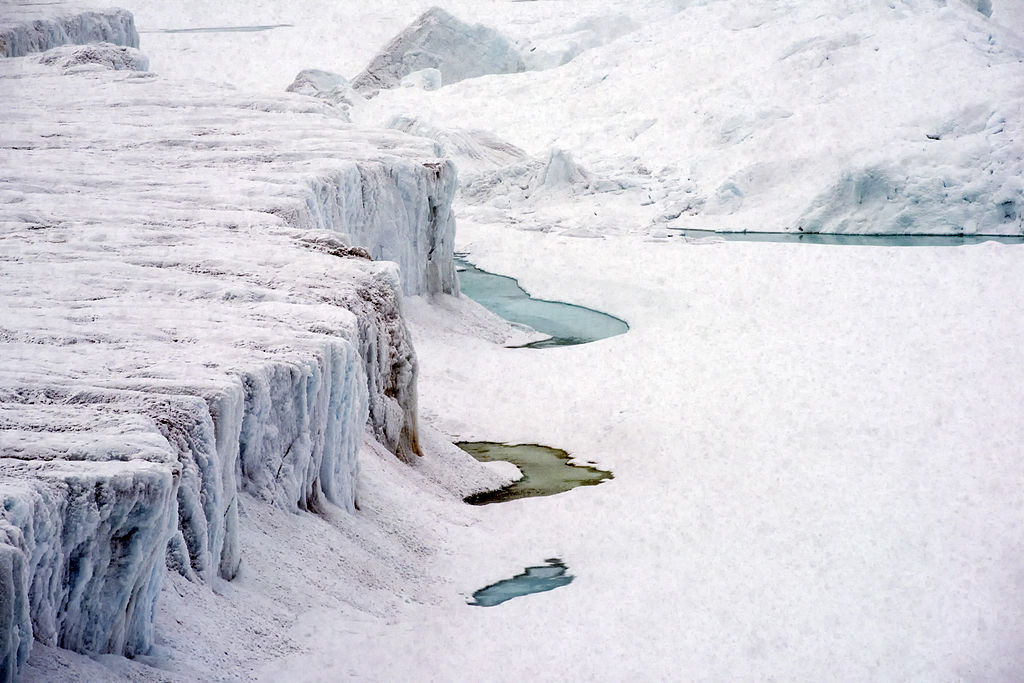
Giant Iceberg Breaks Off Antarctica
Scientists say an iceberg the size of Bali has broken away from the continent of Antarctica.
The iceberg, which is likely to be named A68, measures 5,800 square kilometers and weighs over one trillion tons, making it one of the biggest on record. It is slightly larger than the Indonesian island of Bali, which has a population of well over 4 million people.
Iceberg calving, when bergs break away from a larger ice sheet, is a natural process, although global warming is believed to have accelerated the trend. This new mass of free-floating ice has been separating from Antarctica’s Larsen C Ice Shelf for months.
Scientists say there is no immediate impact on global sea levels, but the huge iceberg is a risk to ships in the area. The extreme south Atlantic is outside major maritime trade routs, but Antarctica is is a popular destination for cruise ships, most of them traveling from South America.
The Larsen C ice shelf is still attached to land, but already largely afloat off the coast of northwestern Antarctica. It is one in a series of three connected formations that grew out from the Antarctic mainland over tens of thousands of years.
Larsen A, the most northern and smallest of the three segments, broke free of the mainland in 1995. The Larsen B Ice Shelf, somewhat larger at about 3,200 square km, with an average ice thickness of 220 meters, disintegrated into the sea in 2002.
Source: wikinews.org
Wikinews
This article includes material from Giant Iceberg Breaks Off Antarctica by VOA News, which is in the public domain.