
Thailand on Alert: 23 Deaths Linked to Melioidosis Outbreak
BANGKOK — The Public Health Ministry is closely monitoring cases of melioidosis, a serious and often fatal bacterial infection, after 712 infections including 23 fatalities have been reported across Thailand since the beginning of the year, with the northeastern provinces emerging as a particular hotspot.
Thai Public Health Ministry warns of new Melioidosis epidemic outbreak
Lalida Periswiwatana, deputy government spokesperson, announced on Sunday that in Khon Kaen province alone, 68 cases have been recorded, most of them among people over the age of 50. Two of those patients have died, adding to the national toll that has prompted health officials to issue urgent public warnings. The figures represent a significant public health concern, especially as the rainy season approaches and farmers prepare to work in flooded fields where the bacteria thrive.
Melioidosis is caused by the bacterium Burkholderia pseudomallei, which is found in contaminated soil and water, particularly in rice paddies and other agricultural environments common across Thailand’s Northeast. The disease can cause a wide range of symptoms, from pneumonia to abscesses throughout the body and potentially fatal septicaemia. Transmission occurs through skin abrasions, inhalation or ingestion of contaminated material, with the highest risk among people who have direct contact with soil or water—such as farmers, construction workers and outdoor labourers.
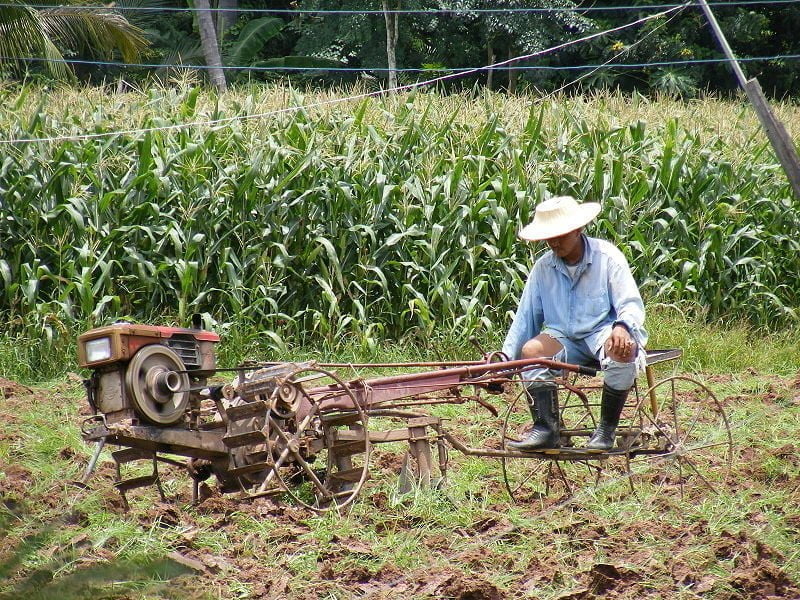
The ministry has identified certain groups as being at elevated risk, including people with diabetes, chronic kidney disease, liver disease or other conditions that weaken the immune system. For these individuals, even a minor cut or scrape can become a gateway for the bacteria to enter the body and trigger a severe systemic infection. The ministry is advising those at risk, including farmers and people with chronic illnesses, to wear boots and gloves when working in flooded rice fields or on farmland, and to practice good hygiene by washing thoroughly after any exposure to soil or standing water.
Thailand reports rise in melioidosis cases, urges public cautionhttps://t.co/LLx7idVscM#epardafas #nnbdaily
— Nepal News Bulletin-NNB (@Nnewsbulletin) April 18, 2026
Health officials are also urging anyone who develops a high fever lasting more than 48 hours or experiences breathing difficulties to seek medical attention immediately. Early diagnosis is critical, as melioidosis can be cured if treated promptly with the appropriate intravenous antibiotics, followed by a prolonged course of oral medication. However, because the disease’s symptoms can mimic those of other infections, it is often misdiagnosed or identified too late, leading to the high fatality rate seen in severe cases.
The concentration of cases in Khon Kaen and other northeastern provinces is no coincidence. The region’s agricultural economy, combined with seasonal flooding and the prevalence of chronic diseases such as diabetes, creates a perfect storm for melioidosis transmission. Public health officials are now working to raise awareness in rural communities, distributing information about protective measures and the warning signs of infection. Hospital staff are also being reminded to consider melioidosis when treating patients with unexplained fevers or respiratory symptoms, particularly those with underlying health conditions or a history of exposure to soil or floodwaters.
6 Thai Farmers in Isaan Region Die from Soil Fever Outbreak
As the rainy season begins and farmers prepare to plant their rice crops, the risk of further infections remains high. The Public Health Ministry has said it will continue to monitor the situation closely and adjust its response as needed. For now, the message is clear: prevention is the best defence, and for those who do become infected, swift medical attention can mean the difference between recovery and death.
-Thailand News (TN)