
Thailand Fuel Prices Hit by Middle East Unrest and Shipping Disruptions
BANGKOK, Thailand — Fuel prices in Thailand have surged for a second consecutive day, driven by escalating geopolitical conflicts in the Middle East and severe disruptions to global maritime shipping routes. The cumulative two-day increase has added 1.75 baht per litre to pump prices, prompting the Fuel Fund Executive Committee to implement urgent adjustments to retail prices and domestic subsidy structures.
Thai Fuel Prices Projected To Remain Elevated Until Fourth Quarter
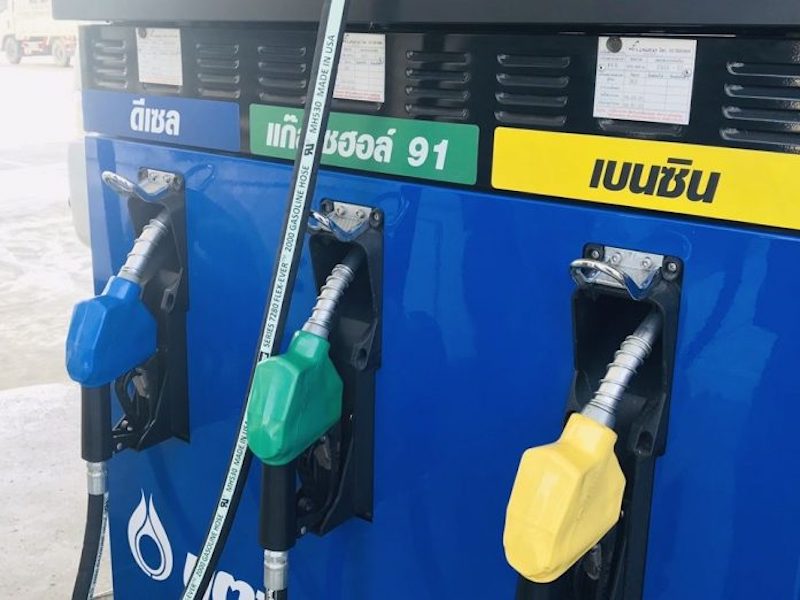
The upward trajectory began on July 22 with an initial increase of 0.85 baht per litre, followed by a further 0.90 baht per litre hike effective from 5:00 a.m. on Thursday, July 23. Following this latest adjustment, the retail price of standard high-speed diesel reached 36.69 baht per litre, while diesel B20 rose to 31.69 baht. Prices for ethanol-blended fuels also climbed, with Gasohol 95 reaching 36.69 baht, Gasohol 91 at 36.32 baht, and Gasohol E20 at 31.69 baht per litre. Additionally, Gasohol E85 increased to 27.63 baht, and standard petrol rose to 45.68 baht per litre. These quoted retail prices exclude Bangkok’s local maintenance tax, and premium fuel products were notably excluded from the 90-satang retail increase announced by major distributors.
The Fuel Fund Executive Committee approved these adjustments during a meeting on Wednesday, citing renewed volatility in international energy markets. The primary catalyst for the surge is the breakdown of diplomatic negotiations in the Middle East, leading to widening regional attacks and Iran’s confirmation of its intent to close the Strait of Hormuz, a critical chokepoint for global oil shipments. Compounding this pressure, conditions in the Red Sea have deteriorated significantly. Yemen’s Houthi movement has intensified its maritime blockade, threatening oil tankers and cargo vessels utilizing ports along the Red Sea coast. These security threats have forced numerous commercial vessels to divert to longer, alternative routes, immediately driving up maritime transport costs and exerting further upward pressure on international crude and refined product prices. Reflecting this global strain, the Singapore benchmark price for diesel reached 163.59 US dollars per barrel on July 22, while petrol climbed to 124.92 US dollars per barrel.
The sustained high cost of global fuel has placed a severe financial strain on Thailand’s Oil Fuel Fund, which is currently shouldering an estimated subsidy burden of approximately 651.31 million baht per day. To ensure the fund can continue coping with this extreme market volatility, the committee deemed it urgently necessary to revise its levy and subsidy rates. Under the newly revised structure, the subsidy for standard high-speed diesel was increased by 0.78 baht to 8.57 baht per litre, directly supporting the adjusted retail price of 36.69 baht. Similarly, the subsidy for high-speed diesel B20 was raised by 0.56 baht to 12.95 baht per litre, bringing its retail price to 31.69 baht. Meanwhile, premium diesel remains subject to a fund levy of 1.50 baht per litre.
Missing 57 Million Litres of Fuel Off-Loaded at Sea, Justice Minister Says
As global geopolitical tensions remain unresolved, Thai authorities are closely monitoring international market developments. The Fuel Fund Executive Committee has indicated it will continue to evaluate the financial health of the subsidy mechanism and may implement further adjustments to balance consumer protection with fiscal sustainability.
-Thailand News (TN)