Thailand Prepares To Halve Visa-free Stay For Tourists From 60 To 30 Days
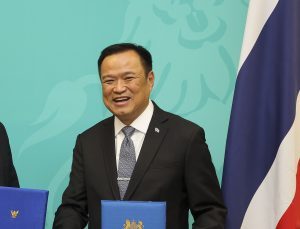
BANGKOK, Thailand — Thailand’s Foreign Minister Sihasak Phuangketkaew has signaled that the government is moving forward with a proposal to reduce the visa-free entry period for foreign tourists from 60 days to 30 days, citing concerns about misuse of the current arrangement and the need to strengthen border security and immigration oversight.
Thailand Launches Crackdown on Unruly Tourists, Warning of Visa Revocation and Deportation
Speaking to reporters on Tuesday, Minister Sihasak indicated that he expects minimal opposition to the proposed change, noting that a comprehensive interagency visa committee—chaired by the Ministry of Foreign Affairs and including representatives from immigration, tourism, security, and labor authorities—has already reviewed the measure. “We believe the current 60-day visa-free stay, with one available 30-day extension, may be excessive and could allow individuals with non-tourism intentions to exploit the system,” he stated.
The proposal, which was initially prepared during the first administration of Prime Minister Anutin Charnvirakul but postponed due to the national election, is now being accelerated by the Ministry of Foreign Affairs. Before implementation, the Cabinet Secretariat must consult with relevant agencies, though Minister Sihasak expressed confidence that the process would proceed smoothly given the broad consensus within the coordinating committee.
The current visa-free policy, expanded in July 2024 to attract post-pandemic tourism, has faced mounting scrutiny from authorities and local communities in popular destinations. Officials argue that the extended stay period, while beneficial for legitimate travelers, has inadvertently facilitated activities beyond tourism, including unauthorized employment, long-term residence without proper visas, and illegal business ownership through Thai nominee arrangements.
“Residents in places like Koh Samui and Koh Phangan have raised legitimate concerns about the impact of relaxed visa conditions on local economies and community integrity,” Minister Sihasak noted. “Our review is about ensuring that Thailand’s openness to visitors is balanced with effective oversight and protection of national interests.”
Beyond the visa-free duration, authorities are also conducting a broader assessment of Thailand’s visa framework, which currently includes numerous categories designed to attract specific groups such as experts, retirees, digital nomads, and investors. Minister Sihasak acknowledged that while many of these measures were introduced with positive intentions—to promote soft power, attract talent, or stimulate economic activity—the proliferation of visa types may have exceeded practical necessity. “We must reassess whether all these categories remain justified and whether some could be consolidated for greater clarity and efficiency,” he explained.
Thailand's MFA to propose reducing visa-free stay for foreign tourists from 60 days to 30 days to curb transnational crime. pic.twitter.com/MYQswZu4Rk
— PR Thai Government (@prdthailand) May 12, 2026
When asked about the timeline for concluding the visa review, the minister emphasized that the immediate priority is the visa-free scheme for tourists. He also addressed speculation that recent incidents involving Chinese nationals had prompted the policy reassessment, insisting that preparations for the review predated those events. “This is not about targeting any specific nationality,” Minister Sihasak affirmed. “Thailand welcomes visitors from all countries. Our focus is on activities that may pose problems or threaten national security, regardless of who engages in them.”
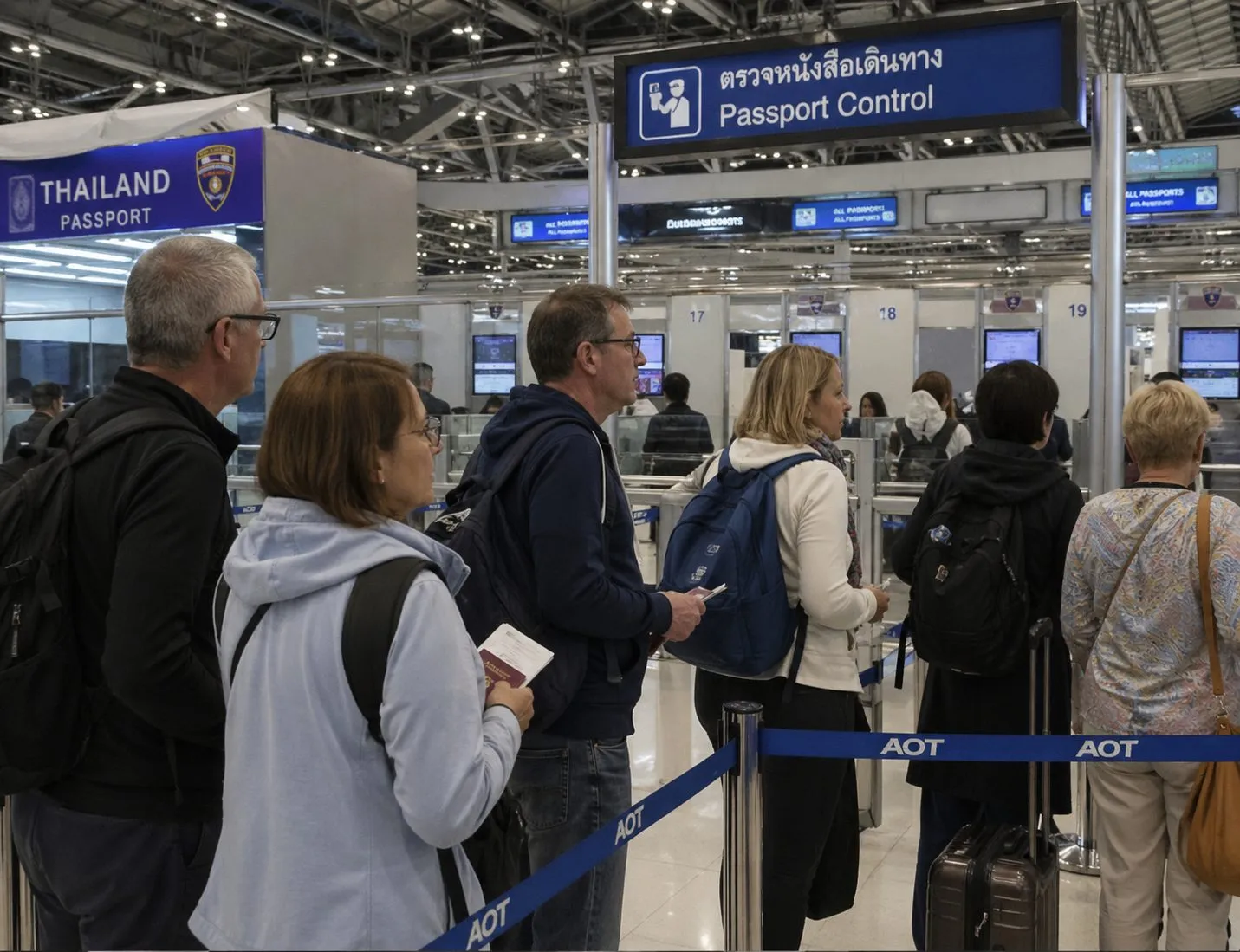
Under the proposed changes, tourist visas would provide a duration deemed appropriate for typical travel purposes, which the minister suggested should not exceed 30 days for visa-free entry. Authorities would also strengthen screening measures at ports of entry to better verify visitors’ intentions and ensure compliance with visa conditions. “We are not discriminating against any nationality,” he reiterated. “However, we must be strict with those who engage in undesirable activities, especially those linked to security concerns.”
The tourism industry, which contributes significantly to Thailand’s economy, has expressed cautious support for measures that enhance security while maintaining accessibility. “Thailand’s success as a destination depends on visitors feeling welcome and safe,” said a spokesperson for the Tourism Authority of Thailand. “We trust that any policy adjustments will be carefully calibrated to protect both our communities and our reputation as a hospitable destination.”
Immigration experts note that many countries periodically review visa policies to adapt to evolving security challenges, migration patterns, and economic priorities. Thailand’s approach—emphasizing interagency coordination and evidence-based assessment—aligns with international best practices for managing border security in an era of increased global mobility.
For travelers planning visits to Thailand, officials recommend staying informed about entry requirements through official government channels and ensuring that documentation accurately reflects the purpose and duration of their stay. The Royal Thai Police and Immigration Bureau continue to operate multilingual assistance services to support visitors with questions or concerns.
Thailand To Tighten Visa-Free Rules, Slashing Eligible Countries From 93 to 57
As the proposal advances through cabinet consultation, authorities have appealed to the public and media to rely on verified information from official sources rather than speculation. Further updates regarding the visa-free policy review, potential consolidation of visa categories, and implementation timelines are expected as the government proceeds with its assessment.
-Thailand News (TN)