
Thailand Considers Social Media Limits for Minors Amid Global Trend
BANGKOK – As countries worldwide grapple with the impacts of social media on youth, Thailand is witnessing growing public support for restricting underage access to platforms—a measure already enacted in Australia and under consideration in several nations.
Thai Public Health Minister says he was ‘setup’ after kids spotted smoking pot on Pattaya Beach
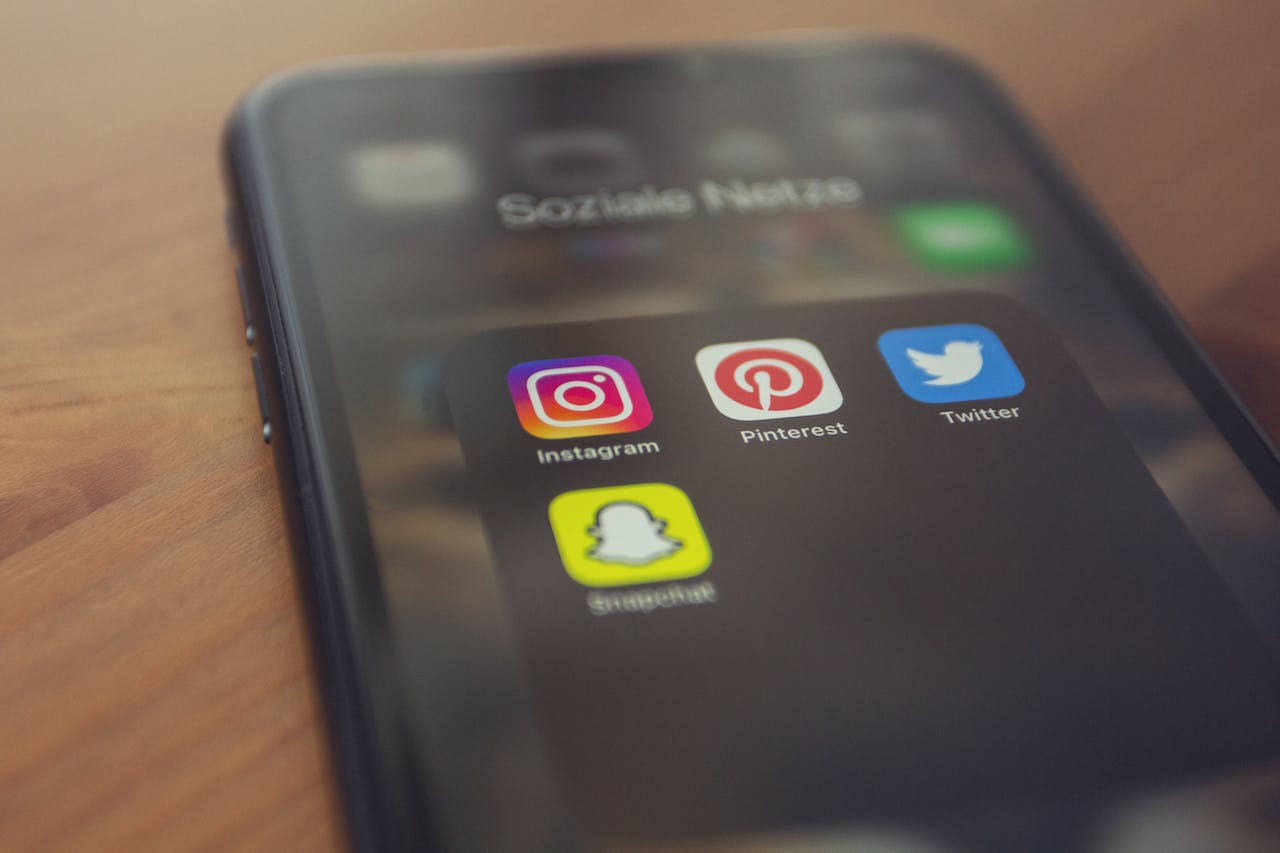
Australia made headlines in December by passing the Online Safety Amendment (Social Media Minimum Age) Bill, prohibiting users under 16 from holding accounts on major platforms such as TikTok, X, Facebook, Instagram, YouTube, Snapchat, and Threads. The move aims to address digital addiction, harmful content exposure, and platform designs that promote excessive screen time.
In Thailand, the Ipsos Education Monitor 2025 found 87% of respondents believe children under 14 should not use social media—the highest level of support among 30 countries surveyed. Despite this, enforcement remains challenging, both globally and locally.
Critics of such bans point to difficulties in age verification, risks of data breaches, and the ease with which tech-savvy youth can bypass restrictions using VPNs. Some argue regulations should also cover online gaming and dating sites, which pose similar risks.
Other nations are following suit: Denmark plans to ban social media for under-15s, Norway is considering a similar step, France recommends a ban for under-15s plus a curfew for older teens, and Spain proposes requiring parental consent for users under 16. In the UK, new online safety rules impose heavy fines or jail terms for executives failing to protect young users.
Thailand currently bans mobile phones in schools—a policy introduced in 2017—but compliance is inconsistent. One teacher in northern Thailand described a compromise where phones are collected upon arrival but may be used during breaks in emergencies. She noted students have become more active in sports and social activities without devices.
Sometimes i wish india was a kingdom ruled by an autocrat.
Bangkok mulls social media ban for under-16s.
But Indias wealthy hail it a godsend as it corrupts gen z, while their own kids study in West's boarding schools, sanitized from online distractions.https://t.co/VrgItebc02
— MeanderingWonk (@MeanderingWonk) January 13, 2026
Officials and educators emphasize the need for balanced, context-sensitive approaches. Thianthong Prasanpanich of the Ministry of Social Development and Human Security highlighted that Thai youth already face violence in various forms, and online risks such as cyberbullying, fraud, and inappropriate content compound these challenges. She stressed the importance of awareness and courage among youth to seek help.
Rata Kaewbuangoen of the Parents and Teachers Association at Samsen Wittayalai School acknowledged that a social media ban could help but suggested parental guidance and content review as practical halfway solutions.
Dr. Varoth Chotpitayasunondh, spokesman for the Department of Mental Health, cited studies showing that reducing screen time improves concentration, academic performance, peer relationships, and outdoor activity. However, he warned that overly strict, top-down bans may be unenforceable and could stifle creativity or drive youth to use fake accounts.
Thanchanok Saengkhositthada, a 13-year-old student in Bangkok, said her school’s phone ban has helped students focus and socialize more, but she believes older students should be allowed responsible use. “What matters most,” she said, “is learning how to balance mobile phone use in daily life.”
Britons Call Out ‘Get Sterilised’ London Billboard Featuring Only White People
As Thailand evaluates possible regulations, the conversation continues to center on finding enforceable, culturally appropriate measures that protect youth while fostering digital responsibility and open communication between parents, educators, and young people.
-Thailand News (TN)