Flash flood on Nepal-Tibet border kills more than 160, hundreds of tourists missing
KATHMANDU, Nepal – Massive flash floods in a border area of Nepal and China on Wednesday killed at least 160 people and left hundreds of tourists, workers, and others missing after sweeping through communities and bringing travel in some areas to a halt, with experts saying an avalanche from a glacier was the likely cause in the warming Himalaya region. Police in Nepal reported at least 157 dead, while China’s state broadcaster CCTV reported at least three dead and 265 missing in the Tibet region’s Gyirong County near the border.
Plane crash in Nepal kills 18, pilot survives
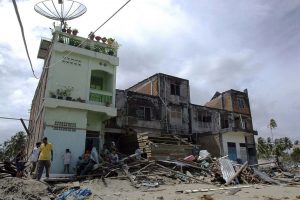
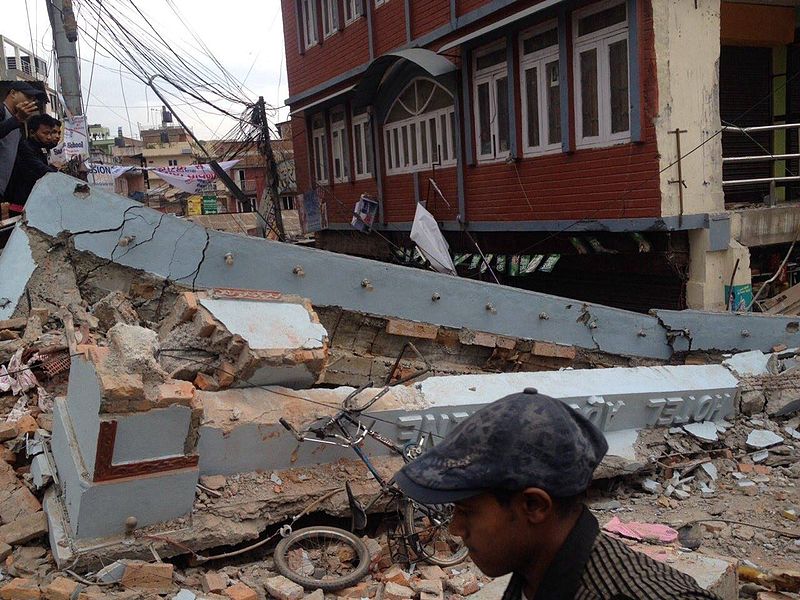
Drone footage showed roads destroyed and buildings buried by thundering water the color of wet cement, with state news agency Xinhua reporting significant casualties. Images showed what appeared to be the second floors of buildings in Nepal’s hard-hit Nuwakot district slathered in mud after the torrent rushed by, with debris hanging from tree branches and wires, vehicles buried, and some stunned survivors caked in mud.
Officials in Nepal said 403 people, including 341 foreign nationals, were reported missing, with Sunil Sharma, a tourism board spokesperson, stating that 133 were from India on pilgrimage to Mount Kailash in Tibet, a sacred site for Hindus. Also missing were 47 from the United States, 34 from Australia, 33 from Britain, and 24 from Canada, he said, with at least 62 missing Nepali citizens among hundreds of locals trekking in the Gosaikunda Lake area in hard-hit Rasuwa district bordering Tibet’s Gyirong.
Nepal police spokesperson Abi Narayan Kafle told The Associated Press that at least 28 police officials were missing, and officials warned residents in several districts to stay away from the banks of the Trishuli, Bhotekoshi, and Narayani rivers, with at least 19 bridges and nearly 40 kilometers of road swept away. The Bhotekoshi flooded around 9 a.m. Wednesday, destroying several villages and hydropower projects, officials said, and government spokesperson Sasmit Pokharel stated that both India and China have been asked to help with rescue efforts.
Countries expressed alarm over missing citizens, with South Korean government officials reporting nine citizens working on building a hydropower plant in Nepal were among those reported missing, and Malaysia’s foreign ministry saying its embassy received reports that they had lost contact with 11 Malaysians believed to be in Rasuwa district. Russia’s embassy in Nepal said four citizens reportedly in the affected area were missing, and Indian Prime Minister Narendra Modi spoke with Nepal’s Prime Minister Balendra Shah and offered help, stating that India is prepared to provide all possible types of humanitarian assistance.
Some United Nations bodies were deploying in an effort to meet what will clearly be massive humanitarian need, and in a joint statement, Australia, Britain, the European Union, Finland, France, Norway, and Switzerland expressed solidarity with people in Nepal. Climate experts at the Kathmandu-based International Centre for Integrated Mountain Development said an avalanche from a glacier likely caused the flash flood, noting that hydrological observations indicate the exceptional speed and magnitude of the flood wave, with water levels at one point on the Trishuli river rising by as much as nine meters over half an hour.
Young Tibetan Monks Must Leave Their Monasteries, ‘Serve Society’
The Lhende Khola River, a tributary of the Bhotekoshi, had maximum flooding, and Saswata Sanyal, a disaster risk reduction specialist at the climate research group, noted the importance of early warnings in a warming Himalaya. The region saw similar flash floods in August last year, when a glacial lake in Tibet overflowed because of high temperatures, killing nine people and damaging critical infrastructure including a bridge connecting Nepal and China. The Himalayan region, which spans several countries including India, is especially vulnerable to heavy rains, floods, and landslides because of warming due to human-caused climate change, with research showing that extreme weather events have become more frequent and glaciers across the Hindu Kush Himalaya region are melting at an accelerating rate, with ice loss rates doubling since 2000.
-Thailand News (TN)